
What Happens at a Protective Order Hearing in Maryland
Table of Contents
What Happens at a Protective Order Hearing: The Basics
What to Bring to a Maryland Protective Order Hearing
Documents and Records That Support Your Case
What Questions Are Asked at a Protective Order Hearing
Questions the Judge May Ask the Petitioner
Questions the Judge May Ask the Respondent
Protective Order Hearing Evidence and Witnesses
How Long Does a Protective Order Hearing Take
What Happens After the Judge Makes a Decision
Why You Need Experienced Representation at a Protective Order Hearing
Frequently Asked Questions
Last Updated: October 14, 2026
What Happens at a Protective Order Hearing: The Basics
A protective order hearing is a court proceeding where a judge decides whether to grant an order that restricts contact between two people. In Maryland, these hearings move quickly, and most people walk in without knowing what to expect. This guide from Phillips Law Group explains each stage so you can prepare with confidence.
If you live in Bel Air or anywhere in Harford County, you may file or defend a protective order case at the local courthouse. The process follows state rules, but the pace and the questions can feel overwhelming.
Here is the short version of what happens:
The judge reads the file and swears in both sides
The petitioner explains why they need protection
The respondent gets a chance to respond
The judge reviews evidence and witness testimony
The judge decides whether to grant, deny, or extend the order
Most hearings last between 15 minutes and an hour. Some take longer when witnesses testify.
Key Takeaway The judge decides based on evidence presented that day, not on what happened before. Bring proof, not just your story.
What to Bring to a Maryland Protective Order Hearing
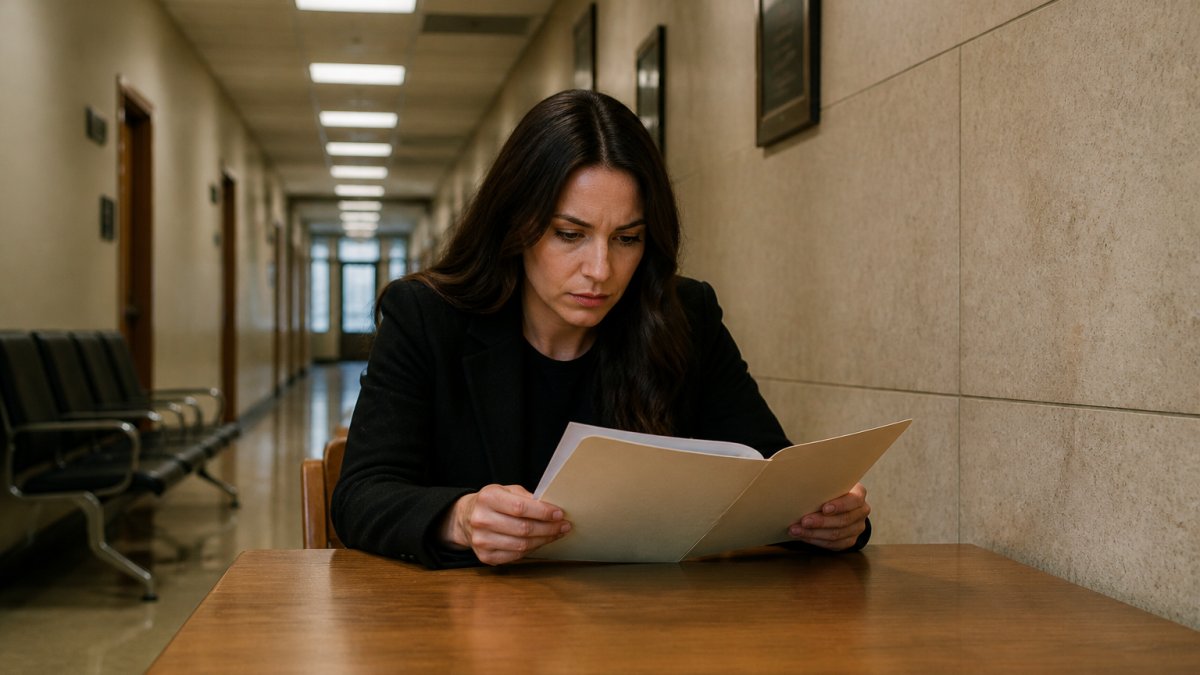
Bring anything that supports your version of events. The Maryland Courts self-help center on protective orders outlines the forms and general process, but the evidence you gather is up to you.
Judges see dozens of cases each week. Clear, organized proof stands out.
Documents and Records That Support Your Case
Police reports and incident numbers
Text messages, voicemails, and emails
Photos of injuries or property damage
Medical records tied to the incident
Witness names and contact information
A written timeline of events
Put everything in one folder. Label each item. Judges appreciate order.
A common mistake is showing up with a phone full of screenshots and no way to find them. Print what you can. If you must use your phone, have the key messages ready before you walk in.
What Questions Are Asked at a Protective Order Hearing
The judge controls the room and asks most of the questions. Attorneys may also question witnesses. The exact questions depend on the case, but patterns repeat.
Questions the Judge May Ask the Petitioner
What happened between you and the respondent?
When did the most recent incident occur?
Did you call the police?
Are you afraid for your safety right now?
What do you want the order to accomplish?
Answer clearly. Stick to facts. Dates and details matter more than emotion, though both carry weight.
Questions the Judge May Ask the Respondent
Do you agree with the petitioner's account?
Do you have your own version of events?
Have you had contact since the incident?
Do you own any firearms?
Why should the court deny this order?
The respondent can also present evidence and call witnesses. Staying calm helps. Interrupting the judge hurts.
Watch Out Never contact the petitioner after a hearing is scheduled. Even a single text can be used against you and may violate a temporary order already in place. ::: (Source: U.S. Department of Justice statistics on domestic violence) Protective Order Hearing Evidence and Witnesses Evidence and witnesses carry the case. A protective order hearing is not a trial, but the rules of proof still apply. The judge weighs what each side presents and decides what to believe. Types of evidence that matter: Physical proof: photos, damaged items, medical bills Digital proof: texts, call logs, social media messages Testimony: your account plus anyone who saw or heard something Official records: police reports, 911 logs, hospital notes Witnesses should be people who saw events firsthand. A neighbor who heard yelling is stronger than a friend who only heard about it later. Evidence Type Best For Watch Out For Photos Showing injuries or damage Blurry or undated images Texts and emails Proving threats or contact Screenshots without context Police reports Confirming a call or arrest Reports that list no findings Witness testimony Backing up your account Witnesses who only heard rumors How Long Does a Protective Order Hearing Take Most protective order hearings in Maryland finish in under an hour. Simple cases with no witnesses can wrap up in 15 to 30 minutes. Cases with multiple witnesses or disputes over facts can run two hours or more. What affects the length: CALL US → Number of witnesses called Whether both sides have attorneys How many exhibits the judge reviews Whether an interpreter is needed How crowded the docket is that day Arrive early. Court schedules shift, and your case may be called sooner or later than expected. Plan for a half day at the courthouse even if your hearing is short. What Happens After the Judge Makes a Decision The judge can grant the order, deny it, or extend a temporary order. A granted protective order sets rules for contact and can last for a set period under Maryland law. If the judge grants the order: The respondent must follow the terms or face new charges The order may cover contact, residence, and firearms A copy goes to local law enforcement If the judge denies the order, the case ends unless the petitioner files again with new evidence. Either side can appeal in limited situations. Deadlines apply, so talk to an attorney fast if you disagree with the outcome. Ask the clerk for a certified copy of the final order the same day. Banks, landlords, and employers sometimes need proof, and a certified copy carries more weight than a printout.
Why You Need Experienced Representation at a Protective Order Hearing
A protective order hearing can shape your safety, your record, and your family life. Walking in alone means facing a judge, a stack of forms, and an opposing side without backup.
At Phillips Law Group, we represent both petitioners and respondents across Bel Air, Harford County, Baltimore County, Anne Arundel County, and Cecil County. We handle more DUI and criminal cases than any other firm in Maryland. Protective order cases are a significant part of our work.
Here is how we help:
We prepare your evidence and organize your exhibits
We coach you on what to say and what to avoid
We question witnesses and challenge weak claims
We fight for the outcome that protects your future
Searching for a protective order attorney near me in Bel Air often leads people to firms that treat these hearings as routine. We do not. Every case gets direct attention from a dedicated team.
Frequently Asked Questions
What happens if the other person does not attend the protective order hearing?
If the respondent does not appear at the final protective order hearing, the judge may proceed without them. The petitioner can still present evidence and testimony. In many cases, the judge will grant the protective order by default if the petitioner meets their burden of proof. However, the outcome depends on the specific circumstances and whether the respondent had proper notice. An attorney can help you understand what to expect if the other party fails to show up.
Can I bring witnesses to a protective order hearing in Maryland?
Yes, you can bring witnesses to a protective order hearing in Maryland. Witnesses may include anyone who saw the abuse, heard threats, or can speak to the respondent's behavior. Common examples are family members, friends, neighbors, or law enforcement officers who responded to a call. Witnesses should be prepared to testify under oath and answer questions from both sides. Having credible witnesses can strengthen your case significantly, so discuss your witness list with your attorney beforehand.
How long does a protective order hearing take in Maryland?
Most protective order hearings in Maryland last between 30 minutes and two hours, depending on the complexity of the case and the number of witnesses. Temporary protective order hearings are often shorter, while final protective order hearings may take longer if both parties present extensive evidence. Factors that affect timing include whether the respondent has an attorney, how many witnesses testify, and whether the judge needs additional information. Arrive early and plan to spend at least half a day at the courthouse.
What should I bring to a Maryland protective order hearing?
Bring your copy of the protective order petition, any temporary order, and all evidence you plan to present. This includes photographs of injuries or property damage, threatening text messages or emails, medical records, police reports, and a written timeline of events. Also bring a list of witnesses with their contact information and any documents showing your relationship to the respondent. If you have an attorney, they will help you organize everything. Being prepared with clear, organized evidence makes a strong impression on the judge.
Facing a protective order hearing without a plan puts your safety and your rights at risk. Phillips Law Group brings aggressive, dedicated representation to every case, from evidence prep to the final ruling. Call us to schedule a consultation and walk into that courtroom ready.
CALL US

Comments